


What is an Internet Address?
 Published:Last Updated:
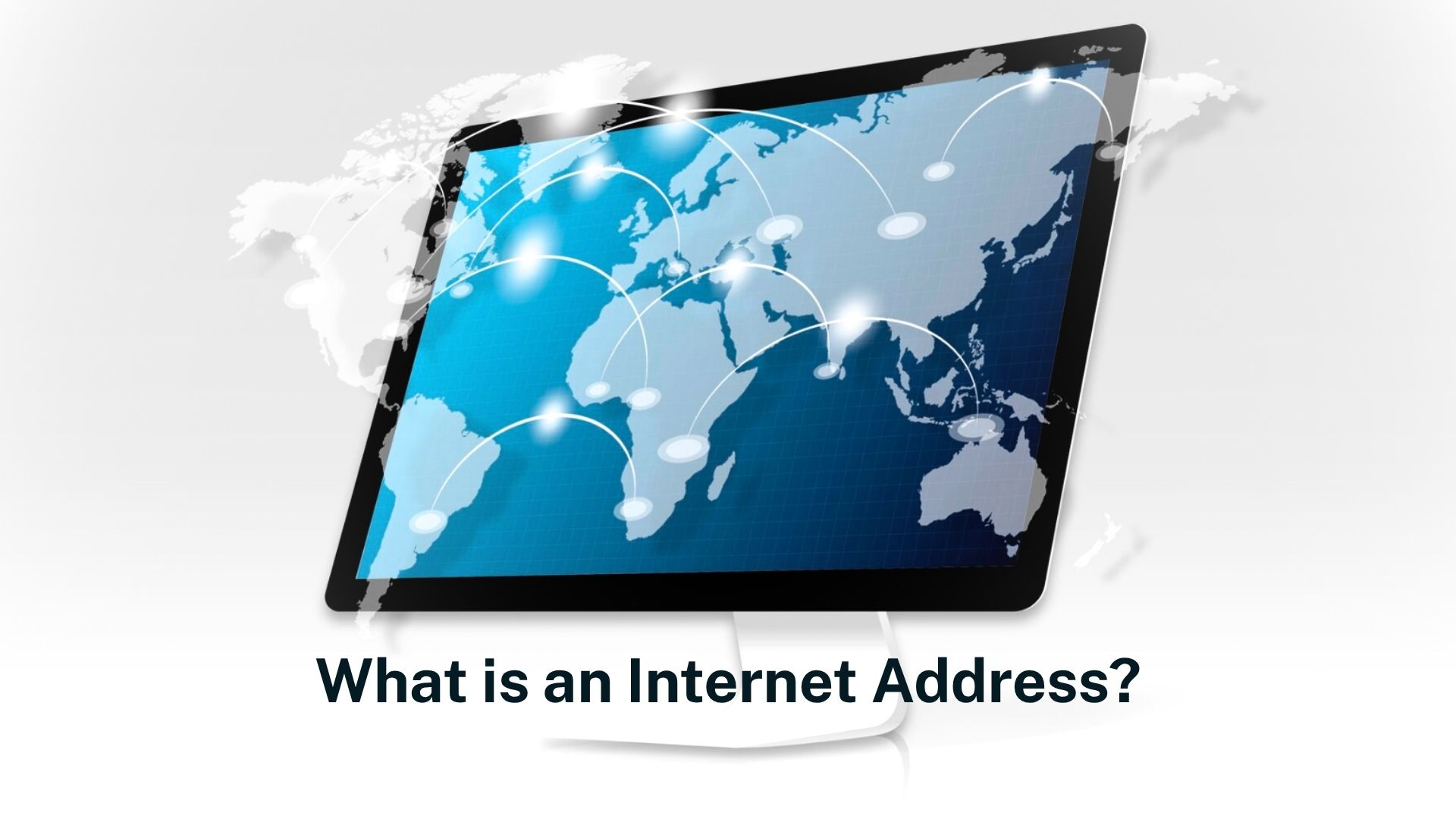
An Internet Address, commonly referred to as an IP address (Internet Protocol address), is an essential element of contemporary digital communication. It functions as a distinct identifier for devices linked to a network, facilitating smooth interactions across the Internet. Whether engaging in web browsing, sending emails, or streaming content, Internet addresses are instrumental in guaranteeing that data arrives at its designated location. In this blog, we will examine the concept of an Internet address, its operational mechanisms, the various types available, and its significance in our interconnected world.
What is an Internet Address?
An Internet address fundamentally serves as a numerical identifier allocated to each device linked to the Internet or a private network. It can be likened to a digital address that facilitates the identification and communication among computers, smartphones, servers, and various other devices. In the absence of IP addresses, the extensive global network of the Internet would descend into disorder and become unmanageable.
Internet addresses play a crucial role in directing data packets among devices. Each address guarantees that information transmitted from one device arrives at the appropriate destination, similar to how a postal address ensures the accurate delivery of a letter.
Types of Internet Addresses
Internet addresses are categorized into two main versions: IPv4 and IPv6.
- IPv4 (Internet Protocol version 4): IPv4 is the older version and uses a 32-bit address format. An example of an IPv4 address is 192.168.1.1. These addresses consist of four numerical segments separated by periods, with each segment ranging from 0 to 255. While IPv4 has been the standard for decades, the rapid growth of the Internet has nearly exhausted its 4.3 billion unique addresses.
- IPv6 (Internet Protocol version 6): IPv6 was developed to solve the limitations of IPv4. It uses a 128-bit address format, offering a staggering number of unique addresses (approximately 3.4×10383.4 \times 10^{38}3.4×1038). IPv6 addresses look like this: 2001:0db8:85a3:0000:0000:8a2e:0370:7334. This newer protocol ensures that we have enough addresses for the growing number of connected devices.
Public and Private Internet Addresses
- Public IP Addresses: Public IP addresses are globally unique and assigned by Internet Service Providers (ISPs). These addresses allow devices to communicate directly over the Internet. For example, websites and servers use public IP addresses to make themselves accessible to users worldwide.
- Private IP Addresses: Private IP addresses are used within local networks, such as in homes or offices. They are not accessible directly over the Internet and help devices within the network communicate with each other. Common private IP ranges include 192.168.x.x and 10.x.x.x.
Static vs. Dynamic Internet Addresses
-
Static
IP Address:
A static IP is a fixed address manually assigned to a device. These are commonly used for servers or services requiring consistent accessibility, such as hosting websites. -
Dynamic
IP Address:
Dynamic IP addresses are temporary and assigned by a DHCP server. These are more common for individual users, as they are automatically updated by the ISP when needed.
Why are Internet Addresses Important?
Internet addresses are the foundation of modern connectivity. They enable countless activities, such as:
- Browsing websites.
- Accessing cloud services.
- Streaming content on platforms like Netflix or YouTube.
- Sending and receiving emails.
Without IP addresses, none of these services would be possible. The growing adoption of IPv6 is paving the way for future innovation, ensuring that the Internet can handle the ever-expanding number of connected devices.
Conclusion
An Internet address represents far more than a mere sequence of digits. It serves as the fundamental framework for the transmission of data across the web, facilitating communication and connectivity. Regardless of whether it is IPv4 or IPv6, public or private, static or dynamic, Internet addresses are a crucial component of our digital existence.
For further information regarding the technology that underpins the Internet, please continue to follow our blog.