


What Is IoT? All You Need to Know About the Internet of Things
 Published:Last Updated:
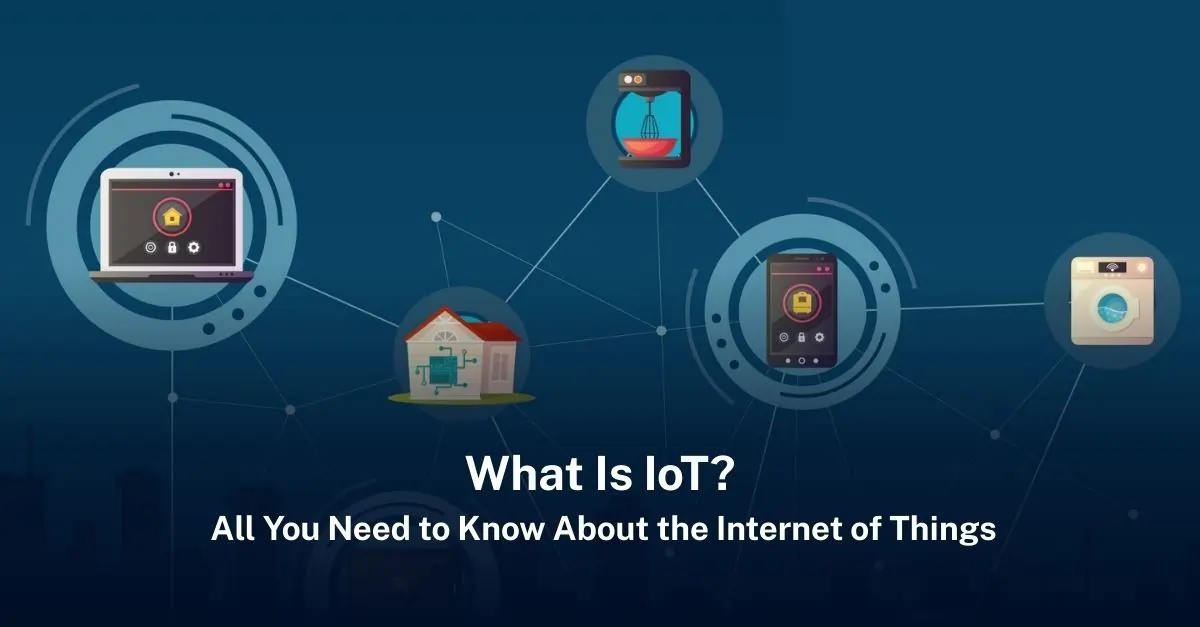
You’ve probably heard the term IoT tossed around in tech conversations, business articles, or even smart home advertisements. But what exactly is the Internet of Things, and why does it matter so much today?
Let’s break it down—simply and clearly.
What Is IoT?
The Internet of Things (IoT) refers to a network of physical devices that are connected to the internet and can collect, send, and receive data. These “things” can be anything—from smart thermostats and fitness trackers to industrial machines and connected vehicles.
What makes them special is their ability to communicate without human involvement. This connectivity allows devices to work smarter, automate processes, and generate real-time data that can be used for better decision-making.
Everyday Examples of IoT
IoT isn’t just about high-tech factories or futuristic cities. It’s already part of your daily life—even if you haven’t realized it.
- Smart Home Devices: Thermostats that learn your habits, lights you control from your phone, and security cameras that send alerts.
- Wearables: Fitness bands or smartwatches that track your heart rate, steps, and sleep patterns.
- Connected Cars: Vehicles that offer GPS tracking, remote diagnostics, and in-car WiFi.
- Healthcare Devices: Remote monitors that track patients’ vitals and send data directly to doctors.
These devices make life more convenient, efficient, and often safer.
How Does IoT Work?
IoT devices typically include sensors or chips that collect data. This data is transmitted over the internet to a central system or cloud platform, where it’s analyzed and often used to trigger an action.
For example, a smart irrigation system might detect dry soil and automatically water your lawn. Or a logistics company might track its fleet in real-time to optimize delivery routes.
The magic happens through three steps:
- Data Collection – via sensors or inputs.
- Connectivity – using WiFi, Bluetooth, 5G, or other networks.
- Processing & Action – decisions made based on data, either automatically or by people.
Why Is IoT Important?
IoT has become one of the most transformative technologies of our time. It’s changing how we live, work, and interact with the world around us. Businesses use IoT to improve operations, reduce costs, and provide better customer experiences. Cities use it to manage traffic, utilities, and safety. And individuals enjoy more personalized, responsive environments.
Here are a few key benefits of IoT:
- Improved Efficiency: Real-time monitoring and automation streamline operations.
- Cost Savings: Predictive maintenance helps avoid breakdowns and unnecessary repairs.
- Better Decision-Making: Continuous data collection provides valuable insights.
- Enhanced Safety: From industrial sensors to home alarms, IoT adds extra layers of security.
Conclusion
The Internet of Things isn’t just a buzzword—it’s a growing ecosystem that’s reshaping how we connect with the world. As technology advances, we can expect IoT to touch even more areas of life, from smarter homes and cities to breakthroughs in healthcare and beyond.
Whether you're a business leader, a tech enthusiast, or just a curious mind, understanding IoT today is a step toward being ready for the connected world of tomorrow.